Darjeeling Rohini Wonder: tea from the Rohini estate
Darjeeling Rohini Wonder is one of those teas in which origin, varietal and harvest time combine to create an extraordinarily complex sensory profile. Sourced from the Rohini estate in the Darjeeling hills, this tea stands out in particular for its aromatic characteristics and its muscatel notes, which can reach exceptional expression during the second flush. Behind every cup, there is also a story of recovery and dedication to tea cultivation that deserves to be told.
The Rohini estate is situated in the Kurseong Valley, in a privileged area of the Darjeeling hills, between Kurseong and Siliguri. The road leading to it winds through a landscape of tea plantations, waterfalls and hillsides which, on clear days, offer views of Mount Kanchenjunga. An environment characterised by mist, altitude, rainfall and temperature fluctuations forms an essential part of the character of the teas produced here.
Rohini’s recent history is also unique. The estate lay abandoned for 38 years, from 1962 to 2000, before a restoration process began that would transform the garden once again. Some cultivation areas from that former plantation have been preserved, to which new young tea plantations were added from 1996 onwards. Today, the garden covers some 146 hectares and combines different cultivation areas and altitudes.

The garden is divided into four sections. The lowest section is called JABARHAT and covers some 38.19 hectares. The mid-altitude sections are called KOTIDHARA and PAILODHARA. Together, these two sections cover around 74.56 hectares and produce very high-quality teas. They have been planted mainly with AV2 and T-78 clones.
TUKURIYA is the highest section, with an average altitude of 4,400 feet, and extends as far as the town of Kurseong, covering a cultivated area of 33.25 hectares. This is primarily the original cultivated area, which is now over 100 years old.
Among the varietals grown in Rohini, AV2 stands out in particular; this Chinese clone’s delicacy and unique response to environmental conditions are key to understanding one of the most prized characteristics of these teas: their distinctive muscatel flavour.
The Revival of the Rohini Estate
When Rohini was revived in the late 20th century, the management invested heavily in replanting high-quality clonal tea bushes suited to the misty climate and high-altitude terrain. The result was a resurgence not only of the local economy, but also of the distinctive terroir that makes Darjeeling Rohini Wonder teas admired worldwide. New techniques in organic farming were adopted, with an emphasis on soil health and the preservation of biodiversity to ensure sustainable production.
Tea heritage and local culture
The surrounding villages have long been intertwined with the estate’s identity. Generations of families have worked at Rohini, passing on not only harvesting and withering techniques, but also local folklore and songs that celebrate tea culture. Community fairs, local festivals and culinary traditions have been shaped by the rhythm of the tea season, making the estate both an economic and cultural heartbeat for the region.
Understanding Rohini’s tea varieties
One of the most interesting aspects of visiting Rohini is discovering its variety of teas. Each harvest season brings distinctive flavour profiles shaped by temperature, rainfall and sunlight. From the light, floral teas of the first flush to the robust second flush batches with notes of muscatel, they embody the bounty of nature and human dedication.
-First Flush: The Elixir of Spring
Spring arrives gently on the hills of Darjeeling. The mist begins to lift, tender shoots appear on the tea bushes and the air carries a freshness that heralds renewal. The longer days and gentler sunlight mark not only a change of season, but the start of the tea year – a time much cherished by both producers and tea lovers alike.
The first harvest in Rohini begins around March. The tender leaves produce a golden infusion with delicate floral aromas. Tea connoisseurs consider it the most elegant and nuanced of all Darjeeling harvests. Small batches from this season often fetch premium prices at auctions, reflecting their freshness and fine flavour.
-Second Flush: The Allure of Muscatel
Harvested between late May and June, second-flush teas have a more intense body and a flavour reminiscent of ripe fruit and wild honey. The sunny weather and moderate humidity during this season lend complexity to the leaves, making them a favourite amongst international buyers.
-Monsoons and Autumn Rains
During the monsoon, the estate focuses on producing teas with a denser body, suitable for blends. However, in autumn the weather stabilises, resulting in balanced teas that embody both freshness and depth. Expert tasters often describe Rohini’s autumn teas as having a gentle sweetness with a hint of spice and woody notes.
The art and science of tea processing
Behind every cup of tea lies a meticulous process that combines art and technology. Both traditional Darjeeling methods and modern, sustainable innovations are used to preserve the distinctive character of their teas.
From Harvest to Withering
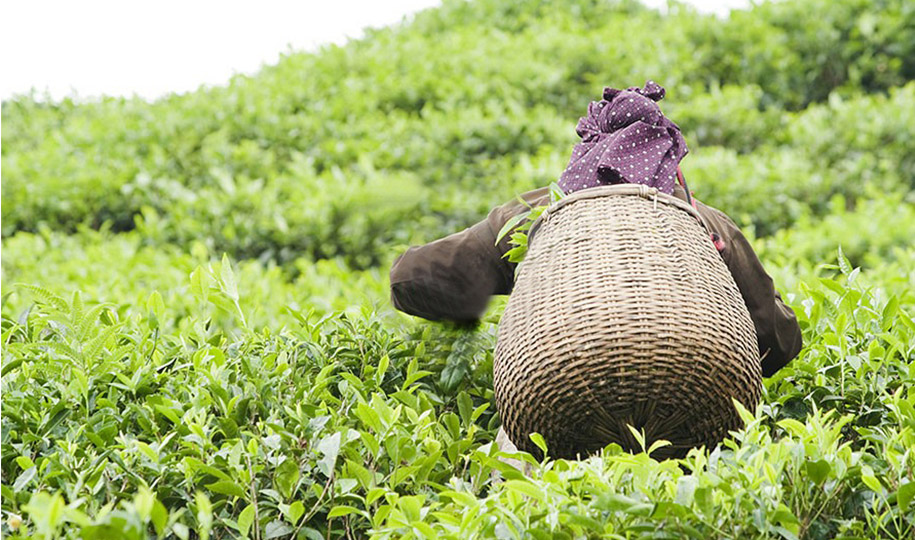
Every morning, skilled workers pluck the top two leaves and a bud, ensuring that only the finest buds are used. The leaves are then spread out on large trays to wither, during which time moisture evaporates and complex biochemical changes begin.
Rolling, Fermentation and Drying
The withered leaves are gently rolled to release essential oils. This is followed by a controlled oxidation process, a stage that defines the tea’s intensity and flavour profile. At Rohini’s factories, temperature and humidity are closely monitored to achieve perfection. Once the desired flavour is achieved, drying halts the fermentation process, retaining the unique aroma that characterises the estate’s production.
Sorting and grading
Once dried, the leaves pass through mechanical sieves to separate them into categories based on size and quality. Rohini maintains strict standards to ensure that only the finest leaves bear its label. Every batch is traceable, demonstrating a strong commitment to transparency and consumer trust.
Environmental and Social Initiatives
The Rohini tea garden embodies modern environmental awareness. Beyond producing high-quality Rohini Wonder Darjeeling tea, it prioritises long-term sustainability through scientific soil management, ecological pest control and community wellbeing programmes. Visitors often appreciate how the estate strikes a balance between nature and the development of livelihoods.
Organic and Biodynamic Practices
The estate increasingly adheres to organic standards. Natural composts, shade trees and biopesticides are used to protect ecosystems. They also experiment with principles of biodynamic agriculture, guided by lunar cycles and natural rhythms. These approaches enhance soil fertility whilst protecting biodiversity.
Community empowerment
Welfare programmes ensure fair wages, healthcare and education for the families of workers at Darjeeling Rohini Wonder. Skills development workshops empower women, whilst educational support for children secures the future of the next generation. The Rohini tea garden serves as a model of sustainability, combining economic vitality with social harmony.
The importance of the variety. AV2, the jewel in the crown
The origin and characteristics of AV2
Originally named Ambari Balai 2 in honour of Mr Balai Saha, director and owner of Ambari Tea Estate during the 1960s.
Genetically, it belongs to Camellia sinensis var. sinensis. It is propagated by cuttings, not by seed. This clonal propagation ensures that each plant retains the same genetic makeup as the original plant, offering consistent performance in terms of leaf shape, aroma and growing conditions. This genetic makeup is crucial for maintaining its distinctive sensory profile: subtle sweetness, floral, honeyed and citrusy fruity notes, with the aroma and flavour of Muscat grapes so highly prized by connoisseurs.
These plants are more cold-hardy than those of the Assamica variety, although their yield per plant is lower. They are known for the large number of silvery buds they produce, which, covered in trichomes, trap the volatile oils. The leaves, unlike those of plants descended from the original Chinese varieties, are multicoloured – green, brown and silvery.
Why does AV2 have that characteristic muscat flavour?
This muscat flavour, which we constantly refer to when discussing the AV2 variety, has a chemical explanation: in late May, during the second flush, the temperature rises and this is when the green cicada (Jassida) attacks the plants, sucking the sap from the stems.
To defend itself, the AV2 plant synthesises defensive terpenes to attract the natural predators of these insects. It is this response to being bitten that creates the flavour profile composed of geraniol (rose-like aroma), linalool (citrus/floral aroma) and hotrienol (sweet, honeyed fruit aroma). During processing, these compounds combine to create the muscatel aroma.
As AV2 leaves are very tender, they are bitten more frequently than other varieties, resulting in a higher concentration of these aromas. Harvested at the right time of year and processed with care, these teas are a true delight.
A tea born of meticulous harvesting
When the young, tender buds are to be harvested as soon as the season begins, every bush on an estate must be inspected by hand every four to eight days. A typical plant yields around 100 g per year, or 40 g of finished tea. This is less than a third of the yield of a plant in Assam. Every kilo of the finest Darjeeling Rohini Wonder consists of 20,000 individual buds. These figures illustrate the scale and effort of the manual labour that goes into ensuring the quality of this extraordinary tea.
If you’d like to discover the characteristics of this unique Darjeeling tea in your cup, you can find out all the details and purchase Rohini Wonder D.J. 17 en Sans&Sans.